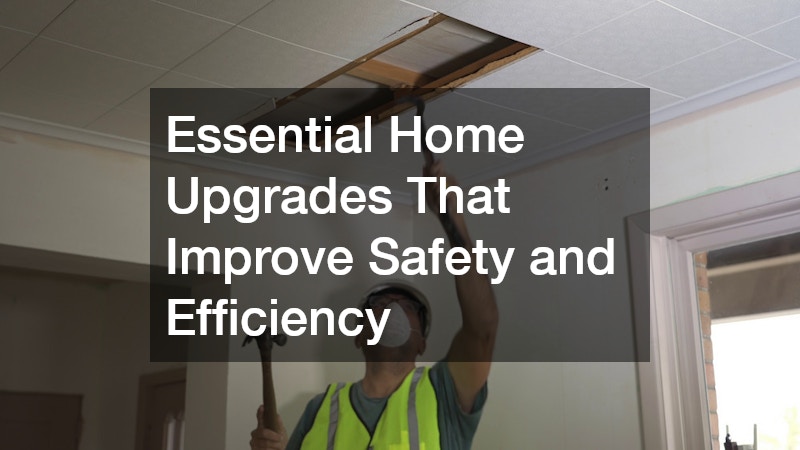
A safe and efficient home doesn’t happen by accident. It’s the result of thoughtful upgrades, consistent maintenance, and a willingness to address small issues before they become costly problems. Many homeowners focus on aesthetics when making improvements, but the most valuable upgrades are those that protect your property, reduce long-term expenses, and make daily life more comfortable.
From outdoor surfaces to indoor systems, every part of your home plays a role in overall safety and performance. The good news is that you don’t need a full renovation to see meaningful results. Strategic upgrades—done at the right time—can significantly improve how your home functions.
This guide breaks down essential upgrades that improve both safety and efficiency, giving you practical steps to create a more reliable and comfortable living environment.
Upgrading Exterior Surfaces for Safety and Longevity
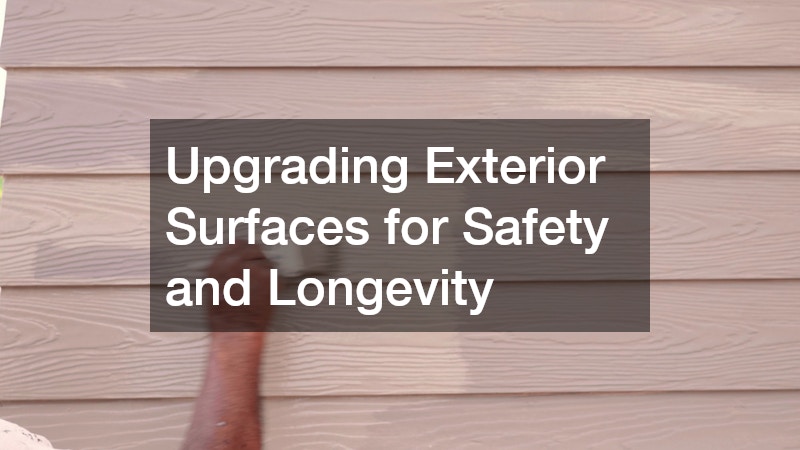
Exterior surfaces are one of the most overlooked areas when it comes to home safety. Worn or damaged surfaces can create hazards that increase the risk of injury while also allowing water to collect and cause structural issues over time.
Inspecting surfaces for cracks and hazards
Start by evaluating the condition of your driveways and walkways. Cracks, uneven sections, and potholes can create trip hazards and allow water to seep into the foundation.
Look for:
- Cracks that are widening over time
- Areas where water pools after rain
- Loose or crumbling materials
- Sloped surfaces that direct water toward your home
Addressing these issues early prevents further damage and reduces repair costs. Prompt repairs also help maintain the structural integrity of your property, ensuring surfaces remain safe for everyday use. Catching and fixing small cracks or drainage issues right away can stop them from spreading to other areas, protecting your foundation and preventing more extensive—and expensive—repairs in the future. In addition, early intervention preserves your home’s appearance and value, making it easier to sell or refinance if needed.
Improving traction and drainage
Safety isn’t just about structural integrity—it’s also about usability. Slippery surfaces can be dangerous, especially in wet or cold conditions.
To improve safety:
- Apply non-slip coatings where needed
- Regrade areas that collect water
- Install proper drainage channels
- Use materials designed for traction
These changes help prevent accidents and extend the life of your exterior surfaces. Improved traction and proper drainage also make outdoor areas more accessible to people of all ages and abilities, especially during rain, snow, or icy conditions. By investing in these safety upgrades, you reduce the likelihood of costly liability claims and create a more welcoming, user-friendly environment for family and guests. Over time, these simple improvements can boost curb appeal and increase your property’s overall value.
Maintaining surfaces for long-term performance
Routine cleaning plays a major role in maintaining safety and appearance. Dirt, algae, and mildew can make surfaces slippery and accelerate wear.
Working with power washing companies can help remove buildup effectively and restore surfaces to a safer condition. Regular maintenance keeps your property looking good while reducing long-term deterioration.
Creating a Secure and Pet-Friendly Outdoor Space
Your outdoor space should feel safe and functional for both people and pets. Without proper planning, it can become a source of risk rather than enjoyment.
Installing containment solutions for safety
For pet owners, keeping animals secure is a top priority. An electric dog fence can provide a discreet and effective way to create boundaries without altering the look of your yard.
When considering installation:
- Evaluate your property layout
- Choose a system suited for your pet’s size and behavior
- Ensure proper training for effective use
- Regularly test the system for reliability
This approach keeps pets safe while maintaining an open, usable yard. It also allows homeowners to preserve the beauty and functionality of their outdoor space without the need for unsightly physical barriers. Electric dog fences can be adapted to a variety of yard shapes and sizes, offering flexibility as your landscaping or needs change. Additionally, this solution minimizes stress for both pets and owners, as animals can enjoy more freedom to explore within safe boundaries, and owners gain peace of mind knowing their pets are secure. Integrating containment solutions with regular outdoor supervision and positive reinforcement training further enhances safety and ensures the system remains effective over time.
Reducing risks from unwanted animals
Wildlife activity can pose risks to both your property and your safety. Animals can damage structures, contaminate areas, and create unpredictable situations.
Signs of wildlife issues include:
- Unusual noises in walls or attics
- Damaged landscaping
- Droppings or nesting materials
- Entry points around your home
A wildlife removal service can address these concerns and help prevent future problems. Taking action early reduces the risk of more extensive damage.
Balancing safety with usability
A well-designed outdoor space should be both secure and enjoyable. Keep pathways clear, maintain lighting, and regularly inspect for potential hazards. Small adjustments can make a significant difference in how safe and functional your yard feels.
Improving Indoor Comfort and Energy Efficiency
Your home’s heating and cooling system plays a major role in both comfort and energy use. Inefficient systems can drive up costs and create inconsistent indoor conditions.
Evaluating system performance and energy use
If your home struggles to maintain a consistent temperature, it may be time to evaluate your system. Signs of inefficiency include:
- Uneven heating or cooling
- Frequent cycling on and off
- Rising energy bills
- Unusual noises or odors
These issues often indicate the need for upgrades or repairs. Ignoring them may lead to discomfort, wasted energy, and unexpected system breakdowns at inconvenient times. Early attention to these warning signs helps you avoid emergency repairs, extend the life of your heating and cooling equipment, and preserve indoor air quality. In many cases, addressing minor problems promptly can prevent more costly damage and ensure your home’s climate remains comfortable and consistent year-round.
Upgrading systems for better efficiency
Investing in a modern HVAC installation can significantly improve performance. Newer systems are designed to use less energy while providing more consistent results.
Benefits of upgrading include:
- Lower utility costs
- Improved air quality
- Better temperature control
- Reduced environmental impact
While the initial investment may be higher, the long-term savings often outweigh the cost.
Maintaining systems to avoid breakdowns
Regular maintenance is key to extending the life of your system. Scheduling routine Heating repair and inspections helps catch small issues before they lead to system failure.
Helpful maintenance practices:
- Replace filters regularly
- Keep vents clear
- Schedule seasonal inspections
- Address unusual performance changes quickly
Consistency in maintenance leads to more reliable performance year-round. Sticking to a regular schedule helps catch minor issues before they escalate, prevents unexpected system failures, and extends the lifespan of your heating and cooling equipment. It also ensures your home maintains steady comfort and energy efficiency throughout changing seasons. Over time, diligent maintenance habits can save you money on emergency repairs and contribute to a healthier indoor environment for your family.
Enhancing Entry Points for Safety and Functionality
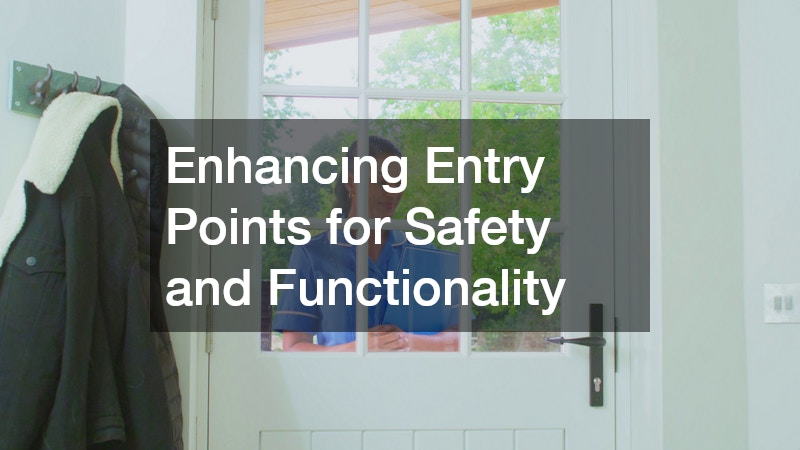
Entry points are critical to both security and convenience. A poorly maintained door can create safety risks and reduce overall efficiency. Issues such as loose hinges, faulty locks, gaps or cracks, and worn weatherstripping can compromise your home’s protection against intruders, drafts, and moisture. Regularly inspecting and promptly repairing entry doors, garage doors, and windows helps maintain optimal security, prevents energy loss, and reduces the risk of water damage. Upgrading entry points with modern hardware, reinforced materials, and smart technology can further enhance safety, accessibility, and ease of use for everyone in the household.
Inspecting doors for wear and security issues
Garage doors are one of the largest moving components of your home. Over time, wear and tear can affect their operation.
Watch for:
- Slow or uneven movement
- Unusual sounds during operation
- Visible damage to panels or tracks
- Malfunctioning safety sensors
Addressing these issues promptly improves safety and prevents further damage. Swift action also helps maintain the reliable operation of your garage door, minimizing the risk of unexpected breakdowns that could leave your home vulnerable or disrupt your daily routine. Early repairs can extend the lifespan of your door and its components, save money on costly replacements, and ensure that built-in safety features—such as sensors and automatic reversals—continue to function as intended. Proactive care provides added peace of mind and keeps your garage entry secure and convenient for everyone in the household.
Upgrading for improved safety features
Modern systems offer enhanced safety features, including automatic sensors and improved locking mechanisms. Consulting garage door companies can help you explore options that increase both security and convenience.
Upgrades may include:
- Smart openers with remote access
- Reinforced materials for durability
- Updated safety sensors
- Improved insulation for energy efficiency
These improvements make your home safer and more functional. Features such as smart openers, reinforced doors, and upgraded sensors not only increase protection against break-ins and accidents but also offer greater convenience for daily use. Enhanced insulation and energy-efficient materials can help regulate temperature in your garage, reducing energy loss and making the space more comfortable for storage or projects. By modernizing your garage door system, you also boost your home’s curb appeal and potentially raise its resale value, making these upgrades a smart investment for the future.
Keeping systems operating smoothly
Routine checks can help you identify issues early. Regularly lubricating moving parts, testing sensors, and inspecting hardware can prevent costly repairs and keep your system running efficiently.
Adding Renewable Energy Solutions for Long-Term Savings
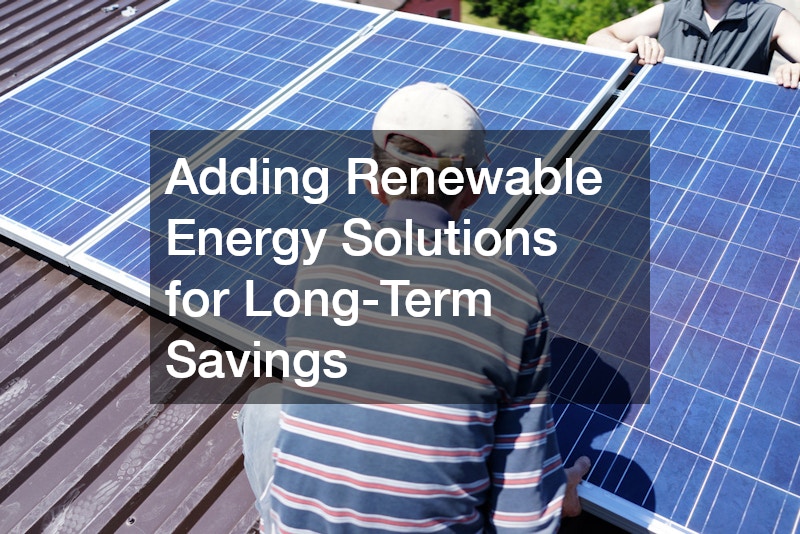
Energy efficiency isn’t just about reducing costs—it’s about creating a more sustainable home.
Understanding energy usage and potential savings
Start by evaluating how much energy your home uses and where improvements can be made. High utility bills often point to inefficiencies that can be addressed with targeted upgrades.
Installing systems that reduce reliance on utilities
Solar installations are one of the most effective ways to reduce energy costs. By generating your own electricity, you can lower your dependence on traditional energy sources.
Benefits include:
- Reduced monthly energy bills
- Increased property value
- Lower environmental impact
- Greater energy independence
Careful planning ensures you get the most out of your investment.
Maintaining systems for optimal performance
Like any system, solar panels require maintenance to perform at their best. Regular inspections and cleaning help maintain efficiency and extend lifespan.
Protecting Your Home From Water Damage and Risk
Water damage is one of the most costly issues homeowners face. Preventative measures can significantly reduce this risk.
Identifying areas vulnerable to water issues
Common problem areas include basements, foundations, and low-lying sections of your property. Signs of potential issues include:
- Damp spots or water stains
- Mold or mildew growth
- Musty odors
- Cracks in the foundation
Addressing these early helps prevent more serious damage.
Improving water management systems
Proper drainage is essential for protecting your home. Working with a water well contractor can help ensure your water systems are functioning properly and efficiently.
Improvements may include:
- Installing drainage systems
- Maintaining wells and pumps
- Redirecting water away from the home
- Regular system inspections
These steps help protect your property from long-term damage.
Planning for unexpected events
Even with preventative measures, unexpected events can occur. Working with a flood insurance agency can provide financial protection and peace of mind.
Having a plan in place allows you to respond quickly and minimize damage if issues arise.
Keeping Your Property Clean and Well-Maintained
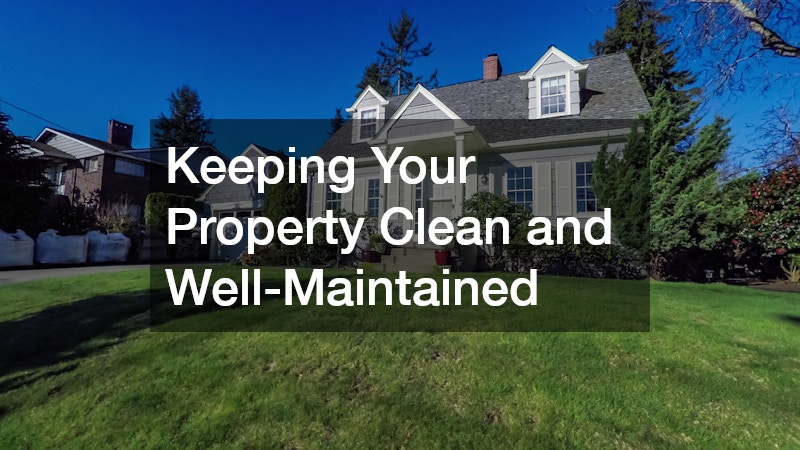
Cleanliness isn’t just about appearance—it’s a key part of maintaining safety and efficiency.
Removing buildup that impacts safety
Over time, surfaces collect dirt, mold, and debris that can create hazards. Slippery surfaces and clogged areas can lead to accidents or damage.
Scheduling regular maintenance routines
Routine cleaning keeps your home in good condition and helps identify issues early. Hiring power washing companies for periodic cleaning can help maintain surfaces and prevent buildup.
Improving curb appeal and longevity
A well-maintained property not only looks better but also lasts longer. Regular upkeep protects materials and reduces the need for costly repairs.
Improving your home’s safety and efficiency doesn’t require a complete overhaul. By focusing on key areas and making strategic upgrades, you can create a more reliable and comfortable living environment. From maintaining outdoor surfaces to upgrading indoor systems, each improvement contributes to a stronger, more functional home.
Taking a proactive approach allows you to stay ahead of potential problems while increasing the long-term value of your property. Small, consistent efforts can make a significant difference over time, helping you protect your investment and enjoy your home with greater peace of mind.